Farmstead Chronicles
What Can You Do With Sourdough Discard? 8 Brilliant Uses You Need to Try
Jun
What Can You Do With Sourdough Discard? (More Than You Think)
Every single time you feed your sourdough starter, you pour some of it out. And if you’re like most home bakers, you stand over the sink for a second and wonder — is this really the right thing to do? That little jar of tangy, bubbly discard feels like it should be worth something. Good news: it absolutely is. What you can do with sourdough discard will surprise you, and once you learn it, you’ll never waste another drop.
So what can you do with sourdough discard? More than most people realize — and once you see the list, you’ll never look at that jar the same way again.
“She looketh well to the ways of her household, and eateth not the bread of idleness.” Proverbs 31:27, KJV
The Proverbs 31 woman wasted nothing. She stretched what she had, she fed her household well, and she did it with her whole heart. That’s exactly the spirit of a sourdough kitchen — nothing gets thrown away if it can still nourish someone. That jar of discard sitting in your fridge? It’s not waste. It’s waiting.
Once you understand what it is, what can you do with sourdough discard becomes one of the most satisfying questions in a farmstead kitchen.
So what can you do with sourdough discard to make bread?
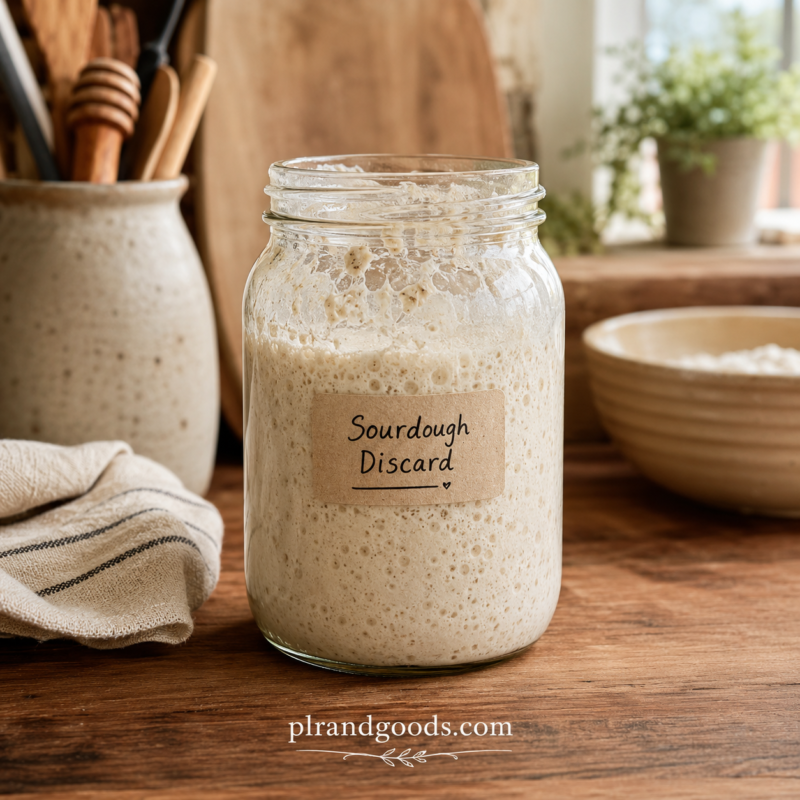
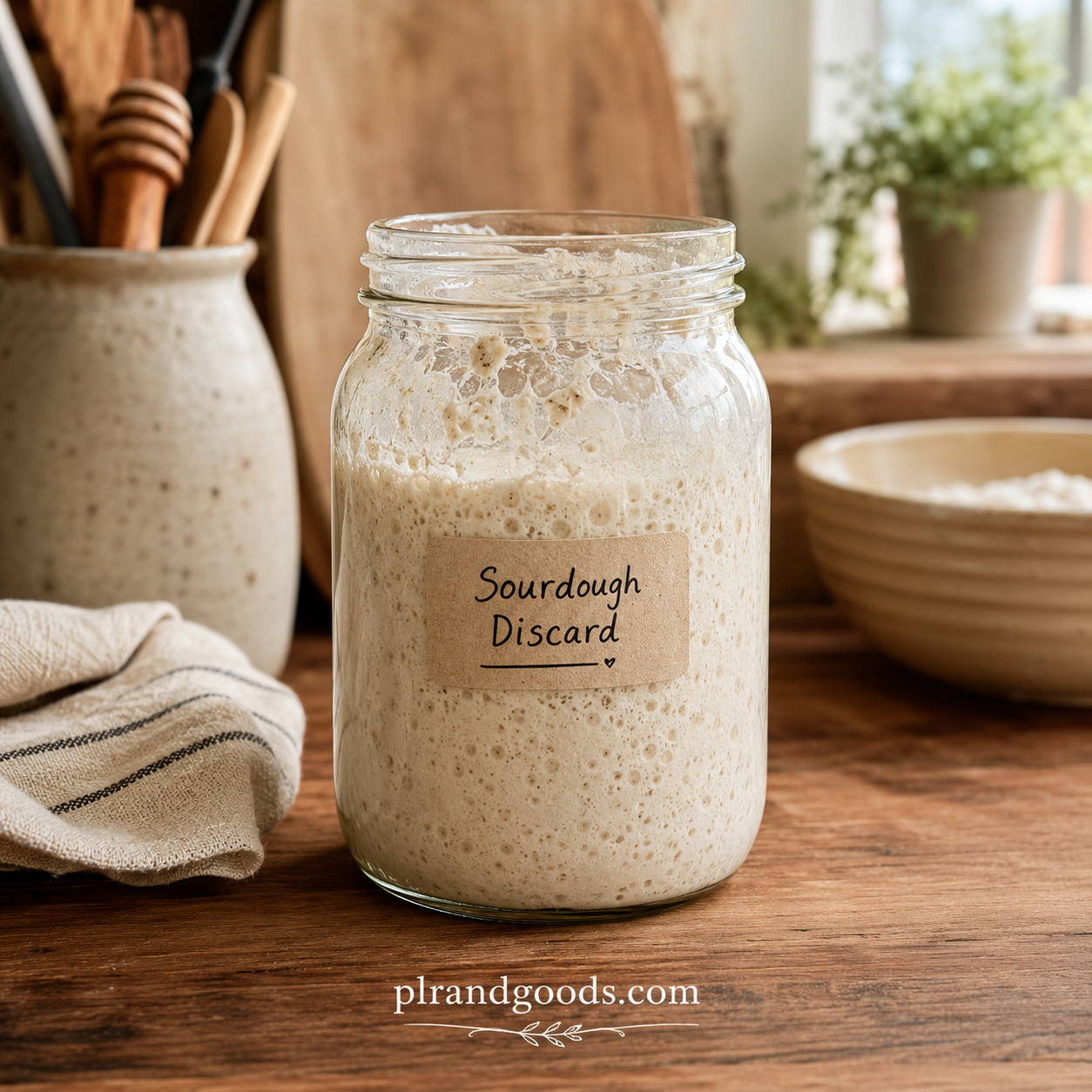
Sourdough discard is the portion of your starter you remove before each feeding. When you feed a starter, you add fresh flour and water — but if you just kept adding without removing, you’d end up with a starter the size of a bathtub by the end of the week. So you discard some of the old starter to keep the volume manageable.
Here’s what’s important to understand: discard isn’t dead. It’s not bad. It’s just starter that hasn’t been freshly fed yet. It still has flavor — that beautiful, tangy sourdough taste — and it still has some leavening activity, especially if it’s been sitting for only a day or two. What it doesn’t have is the full rise power of an active, recently fed starter, which is why you don’t use it for bread that needs a big oven spring. For everything else? It’s gold.
What can you do with sourdough discard? What can you do with sourdough discard on any given week? Here are the recipes I reach for most on the ranch.
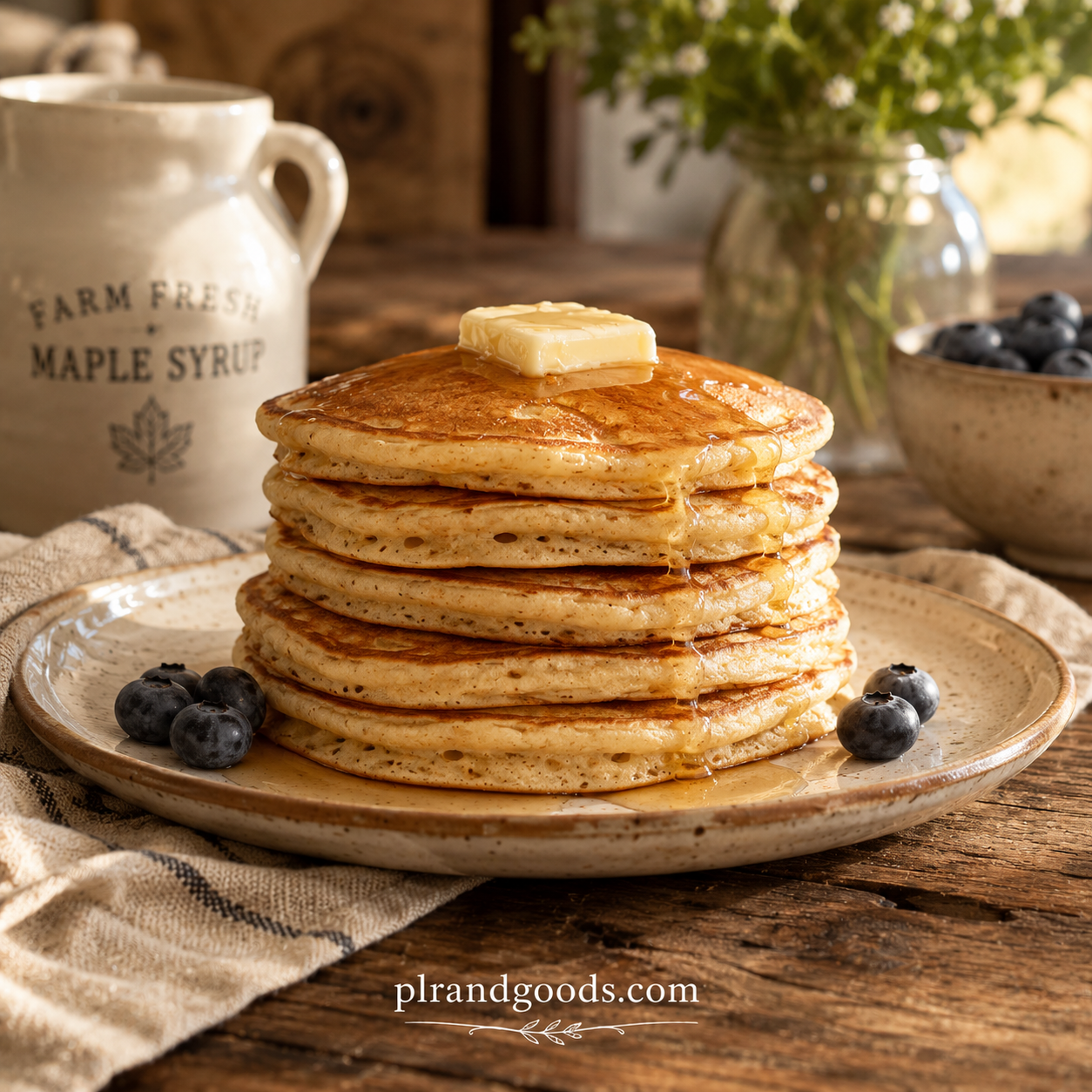
Sourdough discard pancakes
This is where most farmstead cooks start, and for good reason. Sourdough discard pancakes are light, fluffy, and have that slight tang that makes them taste like something you’d find at a farmhouse table, not a chain restaurant. The batter comes together in minutes — your discard does most of the work. I like to mix mine the night before and let it rest in the fridge. By morning, breakfast is practically done.
Sourdough discard waffles
Same idea as pancakes, but crispier. Sourdough waffles have this incredible texture — crisp on the outside from the iron, tender and a little chewy on the inside because of the fermentation. Top them with honey and butter on a Saturday morning and you’ll wonder why you ever made waffles any other way.
Sourdough discard crackers
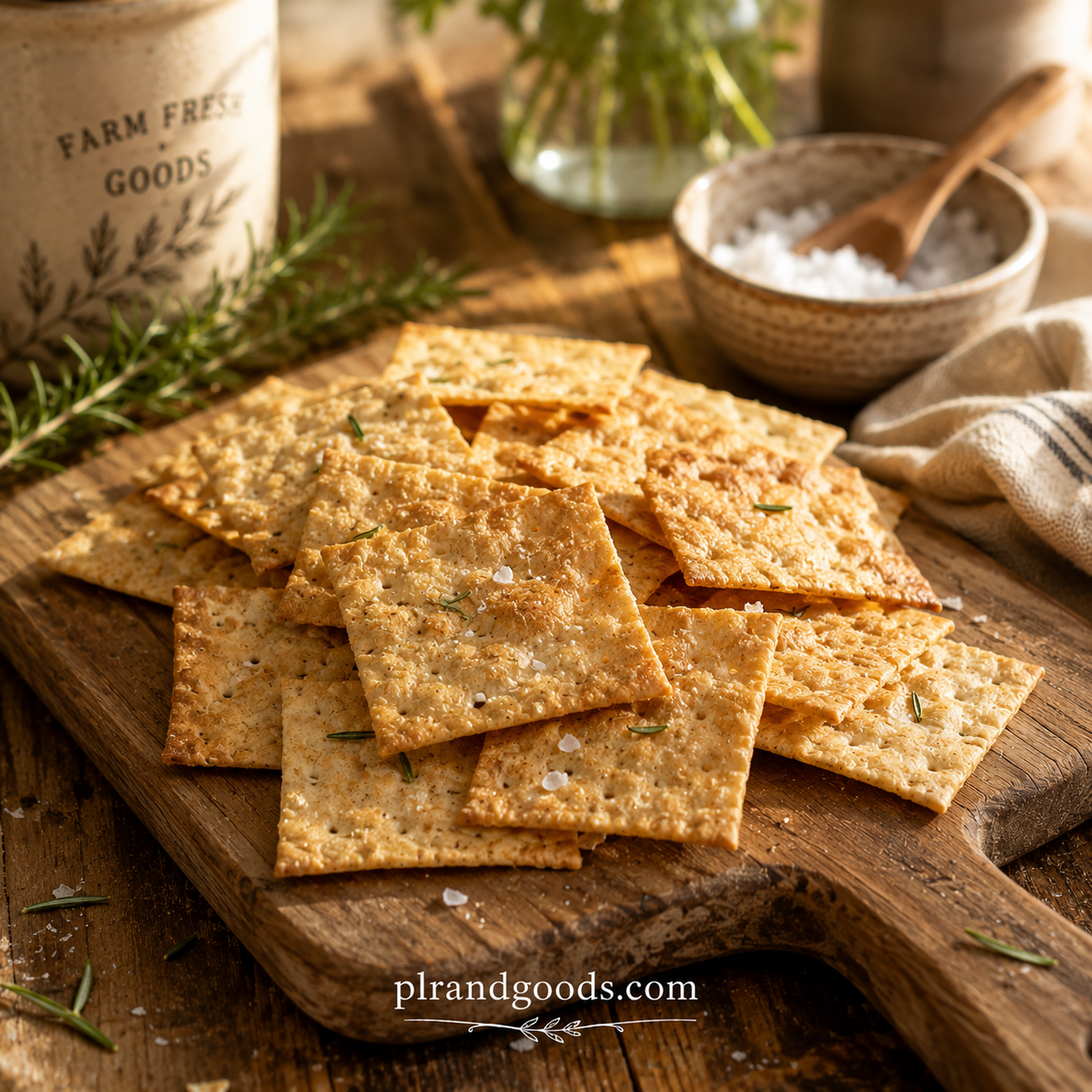
If you have discard that’s been in the fridge for a week or more and you’re not sure what to do with it, make crackers. The longer the discard sits, the more sour it gets — and that tang is exactly what makes sourdough crackers so addictive. Roll them thin, brush with olive oil, sprinkle with sea salt or Momma Missy’s Farmhouse Garlic Blend, and bake until crisp. They disappear fast around here. This is one of the best answers to what can you do with sourdough discard that’s been sitting in the fridge for a while.
Sourdough discard pizza dough
This one is a game changer. Sourdough discard pizza dough doesn’t puff up like a traditionally leavened dough, but it stretches beautifully and the flavor is far deeper than anything you’d get from a packet of yeast. Mix it the morning of pizza night, let it rest at room temperature all day, and by dinnertime you have a crust that tastes like it came from a wood-fired oven.
Sourdough discard banana bread
You might already have a go-to banana bread recipe — but add half a cup of sourdough discard to it and see what happens. The texture gets a little more tender, the crust gets a little more golden, and the flavor takes on a depth you can’t quite name but absolutely love. It’s one of those quiet upgrades that makes you feel like you know something most people don’t. It’s a simple reminder that what can you do with sourdough discard goes far beyond the obvious.
Sourdough discard muffins
Any muffin recipe works here. Blueberry, pumpkin, lemon poppyseed, apple cinnamon — fold in some discard and you’ve got a baked good that’s more interesting than the box mix version ever could be. A quarter to half a cup is usually enough to make a difference without overwhelming the recipe.
Sourdough discard flatbread
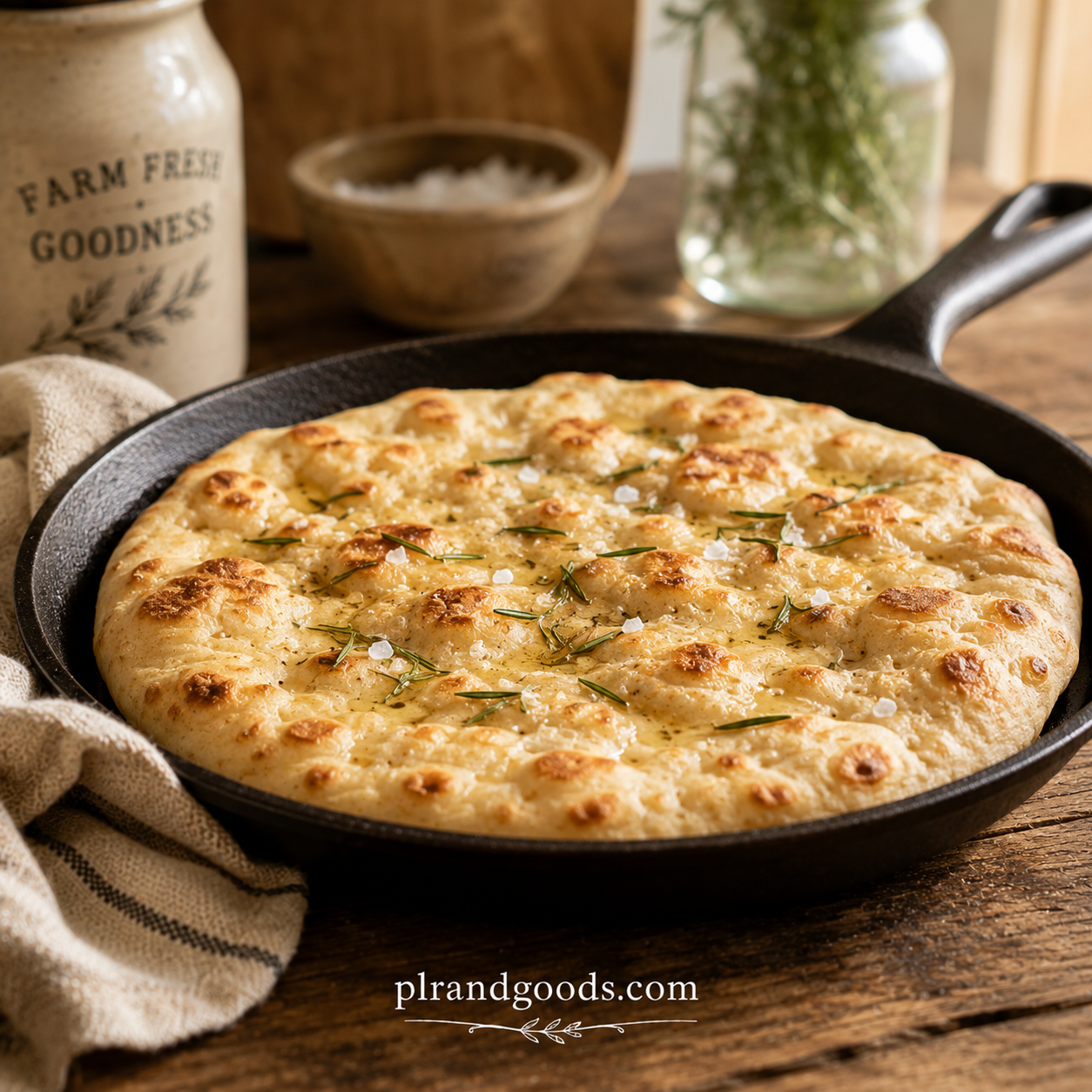
Mix your discard with a little flour, salt, and olive oil, roll it thin, and cook it on a hot cast iron skillet. Two minutes per side. You’ll have warm, slightly tangy flatbread in under ten minutes — and it’s beautiful alongside soup, stew, eggs, or anything else that needs something to scoop it up with.
Sourdough discard brownies or cake
Yes, really. Discard in chocolate baked goods adds a subtle earthiness that cuts through the sweetness in the best way. You’d never know it was there, but you’d notice if it was missing. A quarter cup stirred into your favorite brownie batter is all it takes.
How long can you keep sourdough discard in the fridge?
Most bakers keep their discard jar in the refrigerator and add to it with each feeding. Discard stored in the fridge will stay usable for about two weeks, sometimes longer. The older it gets, the more sour and acidic it becomes — which is perfect for crackers, flatbreads, and anything savory. For pancakes, waffles, and muffins, you’ll get the best flavor from discard that’s between two and seven days old.
The only time to toss discard is if it smells truly off — not just sour, but rotten or alcoholic in an unpleasant way — or if you see any pink or orange streaks, which can indicate contamination. A gray liquid sitting on top (called “hooch”) just means it’s hungry. Stir it back in or pour it off. It’s not ruined.
Can you use sourdough discard to make bread?
You can, but with an important note. Discard alone won’t give you the rise you need for a tall, open-crumbed loaf. For sandwich bread or artisan sourdough, you want a starter that’s been freshly fed and is at peak activity — bubbly, doubled in size, and ready to go. That’s what gives your bread its structure and lift.
That said, discard works beautifully in flatbreads, crackers, and quick breads where baking soda or baking powder does most of the leavening work. The discard brings flavor; the leavener brings rise. It’s a perfect partnership.
Does sourdough discard have nutritional benefits?
Fermented foods — sourdough included — have long been valued by farmstead cooks and traditional cultures because the fermentation process makes nutrients more available and easier to digest. The wild yeast and bacteria that live in your starter begin to break down phytic acid in the flour, which can otherwise block mineral absorption. This is one of the reasons so many people find sourdough easier on their stomachs than commercial yeast breads. It’s not just tradition — it’s how God designed the fermentation process to work in your favor.
Table Challenge
You now know what can you do with sourdough discard — so pick one thing from this list and try it this week. You’ve got discard in your fridge right now — I know you do. Let it be pancakes, let it be crackers, let it be flatbread on a Tuesday night. Use what you have, feed the people you love, and don’t let a drop of that hard-won starter go to waste. Share what you made in the comments — I’d love to see your farmstead table in action.
If you’re building a sourdough practice and want a place to write down your recipes, your notes, your feeding schedule — the Bread Notes Journal was made for you. It’s a quiet companion for the sourdough baker who takes her kitchen seriously. You can find it in the shop at plrandgoods.com.
There’s a whole rhythm to keeping a sourdough starter — feeding it, watching it rise, using the discard, starting again. It runs on the same principle as everything on a farmstead: tend it faithfully, and it will feed you back. Come browse the Farmstead Chronicles for more stories from the kitchen and the land.
Grace Notes — Join the List
Every Sunday at 2pm, I send out Grace Notes — a little something for the farmstead woman who needs encouragement, a scripture to hold onto, and a peek at what’s happening on the ranch. If that sounds like your kind of Sunday, I’d love to have you. Sign up below.
In His Love, Promised Land Ranch and Goods
