
Farmstead Chronicles
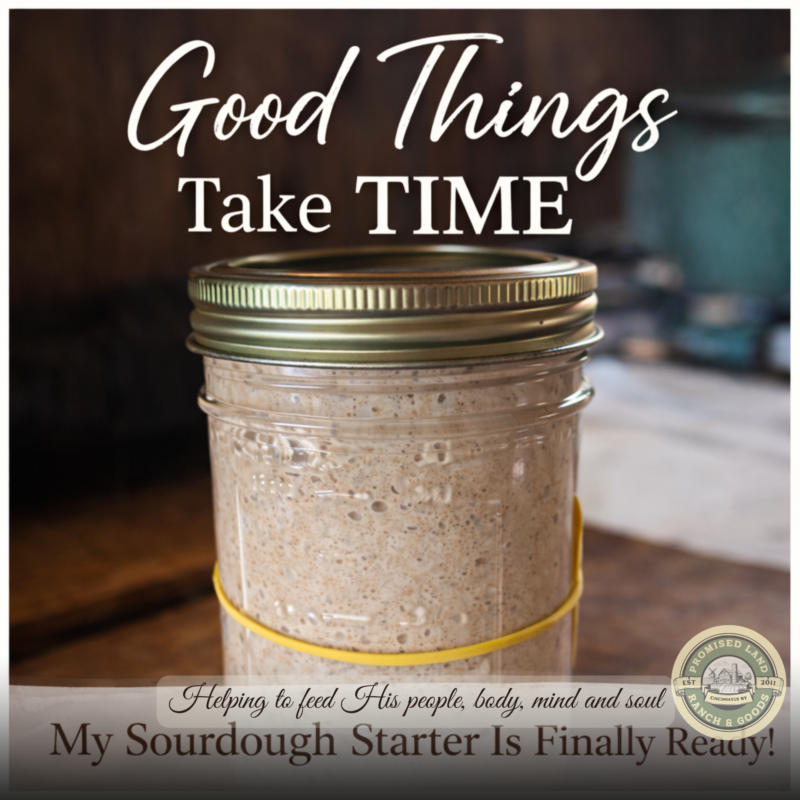
Good Things Take Time: My First Bake with a Mature Sourdough Starter
Jan
Good Things Take Time: My First Bake with a Mature Sourdough Starter
What waiting, feeding, and faith taught me before the first loaf ever hit the oven
The Long Wait Was Worth It
There’s something humbling about sourdough. It doesn’t rush just because you’re ready. It doesn’t care what day you hoped to bake or how long you’ve been anticipating the moment. It grows on its own timeline, quietly doing its work beneath the surface.
I’ll be honest—it took longer than I expected. I watched bubbles form and disappear. I fed and discarded, fed and waited. Some days I felt hopeful, other days unsure. I’d pick up the jar, tilt it toward the light, and wonder if this was finally the day. There was always that quiet hope: Maybe this time it’s ready.
Waiting can feel unproductive, especially when you’re eager to create something with your hands. But sourdough has a way of teaching patience whether you ask for the lesson or not. Each feeding mattered. Each pause served a purpose. And one day, without fanfare, I knew. The rise was strong. The bubbles were lively. The texture felt right.
That moment brought a deep sense of relief and gratitude. Not because I had mastered something, but because I had honored the process. I didn’t force it. I didn’t rush it. I waited.
And waiting, it turns out, wasn’t wasted at all.
When Is a Sourdough Starter Truly “Ready”?
One of the biggest misconceptions about sourdough is that readiness is about the calendar. Five days. Seven days. Two weeks. But a mature sourdough starter doesn’t care how many days have passed—it shows you when it’s ready through behavior.
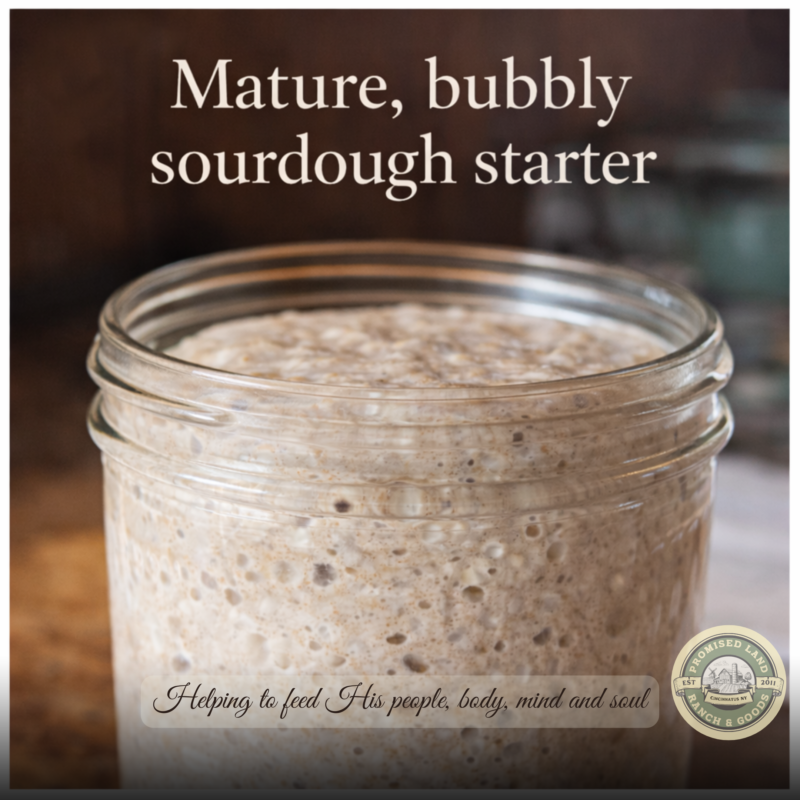 What I learned along the way is that a truly active sourdough starter becomes predictable. After feeding, it rises consistently and then gently falls back down. It doesn’t struggle to lift itself. It doesn’t surprise you with random activity. It simply does what healthy starters do—again and again.
Bubbles tell the story, too. Not just a few on the surface, but bubbles throughout the jar. Large and small, evenly distributed, giving the starter a light, spongy feel. When you look closely, you can see the life moving through it.
Then there’s the smell. A mature sourdough starter smells clean and yeasty, slightly tangy but not sharp. There’s no harshness, no unpleasant notes—just a quiet promise that fermentation is balanced and healthy.
This time, I felt confident. Not hopeful. Not wishful. Confident. The starter had earned that trust through consistency. And that’s when I knew it was time.
Choosing the First Bake: Why I Kept It Simple
Once I knew the starter was ready, the temptation was there to do something fancy. Herbs. Cheese. A creative loaf with personality. But wisdom—and a bit of restraint—won out.
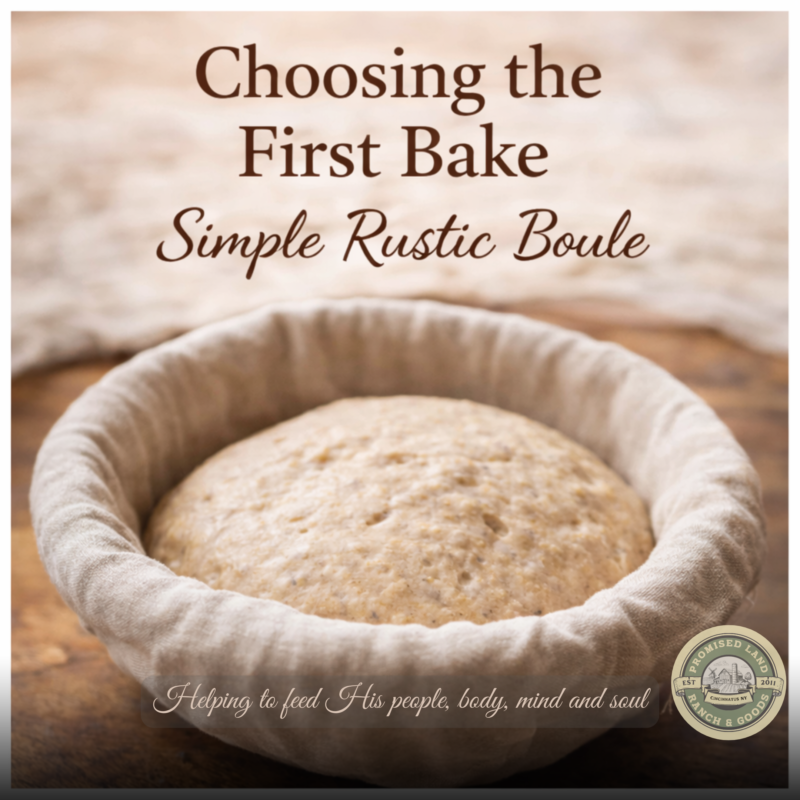
For a first bake, I chose simplicity: a rustic sourdough boule.
This wasn’t the time for extras. This was the moment to let the starter introduce itself. A simple loaf allows you to read the dough clearly. You can see how it ferments, how it handles shaping, how it responds in the oven. Fewer variables mean clearer feedback, and that feedback is invaluable when you’re learning.
This loaf wasn’t about perfection. It was about proof. Proof that the starter was strong. Proof that the waiting had paid off. Proof that simple can still be deeply satisfying.
Sometimes the most faithful choice is the simplest one.
Baking Day Reflections: More Than Just Bread
On baking day, the kitchen filled with that familiar, comforting scent—warm flour, fermentation, anticipation. There’s a stillness that settles in just before bread goes into the oven. A quiet pause. A moment where there’s nothing left to do but trust what you’ve prepared.
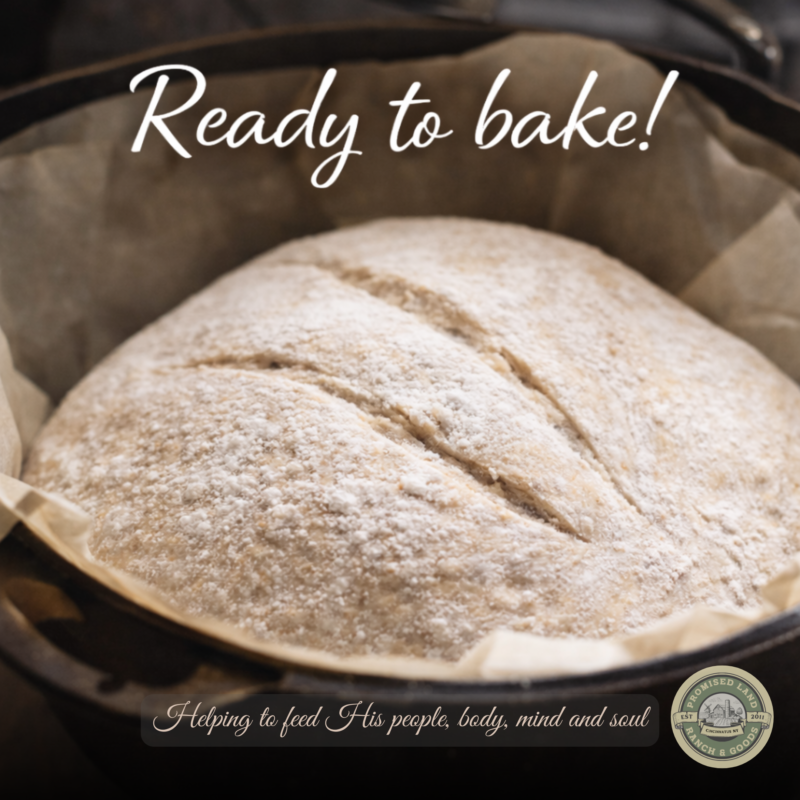
As I stood there, I realized how much this process mirrors life itself. So much growth happens unseen. Beneath the surface. While we’re waiting and wondering if anything is actually happening at all.
In faith, in healing, in building something meaningful—whether it’s a business, a family rhythm, or a calling—we’re often tempted to rush outcomes. We want visible results before the foundation is ready. But growth doesn’t announce itself loudly. It works quietly, steadily, faithfully.
Scripture reminds us that seeds grow even when we’re not watching. The work continues underground long before anything breaks the surface. Sourdough lives out that truth in the most practical way.
This loaf wasn’t just bread. It was a reminder that timing matters. That patience produces strength. That waiting well prepares us for what comes next.
The First Loaf: Imperfect, Beautiful, and Real
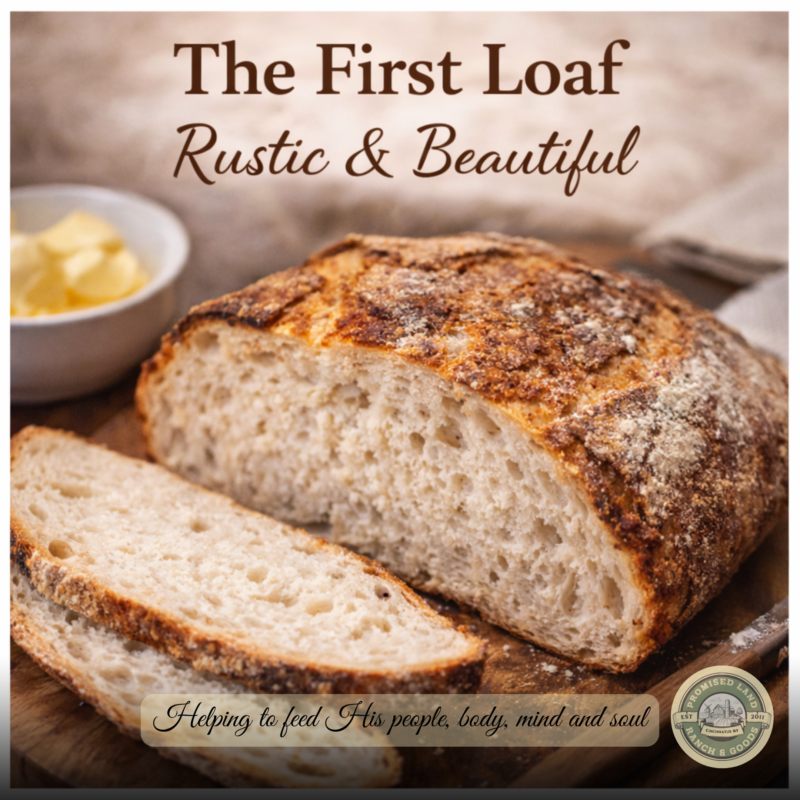
When the loaf came out of the oven, it wasn’t perfect—and it didn’t need to be. The crust was golden and crackled as it cooled. The oven spring was respectable, not dramatic. The crumb inside was open and tender, just as it should be for a first bake.
It was good. And good is a win.
I learned things in that first loaf that no book could teach. How the dough felt in my hands. How long it truly needed. Where I might adjust next time. Confidence doesn’t come from perfection—it comes from experience.
That loaf represented more than a finished bake. It represented growth. Learning. Faithfulness to the process. And it gave me the assurance I needed to keep going.
What Comes Next
Now that the starter is mature, the possibilities open up. More loaves. Different shapes. Gentle inclusions. Each bake will build on the last, layer by layer.
There’s no rush. Sourdough has already taught me that the best results come from steady rhythm, not speed. I’m looking forward to continuing this journey, learning as I go, and sharing what works—and what doesn’t—along the way.
If you’re walking your own slow-growing process, I hope you’ll follow along. There’s encouragement to be found in taking things one faithful step at a time.
🪑 The Table Challenge
This week, sit with something you’ve been rushing.
Ask yourself:
Have I been feeding it consistently?
Have I allowed it time to grow?
What would it look like to trust the process instead of forcing the outcome?
Write it down. Pray over it. Then wait—faithfully.
A Gentle Close
If this sourdough journey has taught me anything, it’s that good things truly do take time. Whether you’re nurturing a starter, a dream, or your own heart, steady faithfulness matters more than speed.
If you’d like more reflections like this—along with farmstead rhythms, encouragement, and simple nourishment for body and soul—I’d love to invite you to join Grace Notes, our weekly email. It’s a quiet place to pause, reflect, and gather at the table together.
Next up, we’ll be taking this mature starter into its next bake—and I can’t wait to share that lesson with you.
✉️ Join Grace Notes
If this journey of waiting, feeding, and trusting spoke to your heart, I’d love to invite you to join Grace Notes — a gentle weekly email filled with encouragement, Scripture, and slow-living reflections from our farm table to yours.
Grace Notes is where I share what God is teaching me in real life — in the quiet moments, the kitchen lessons, and the seasons that take time to unfold.
👉 Sign up here to receive Grace Notes:
